Single-color Fluorescence Lifetime System
Single-color Fluorescence Lifetime
Single-color Fluorescence Lifetime System
Single-color Fluorescence Lifetime

Fluorescence Lifetime Photometry (FLiP)

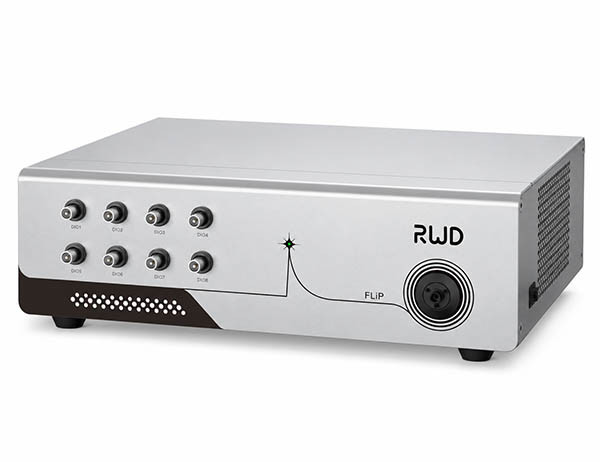
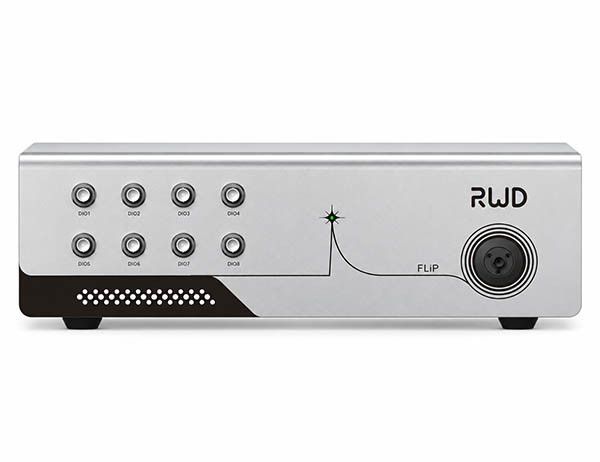
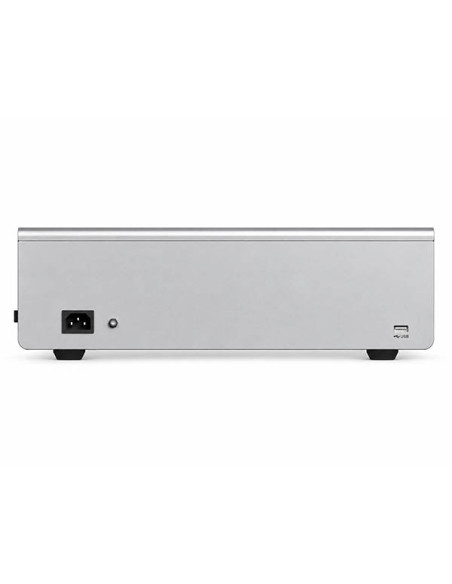
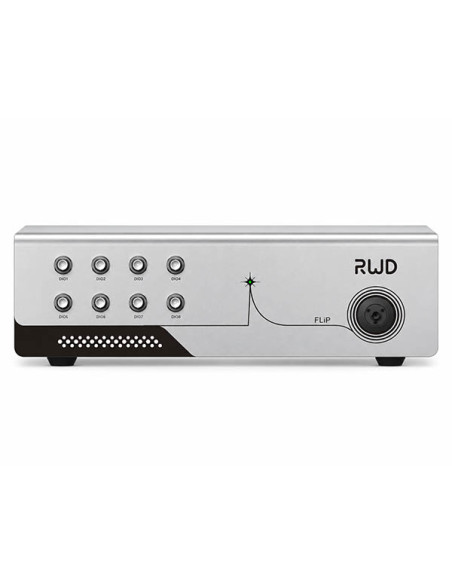
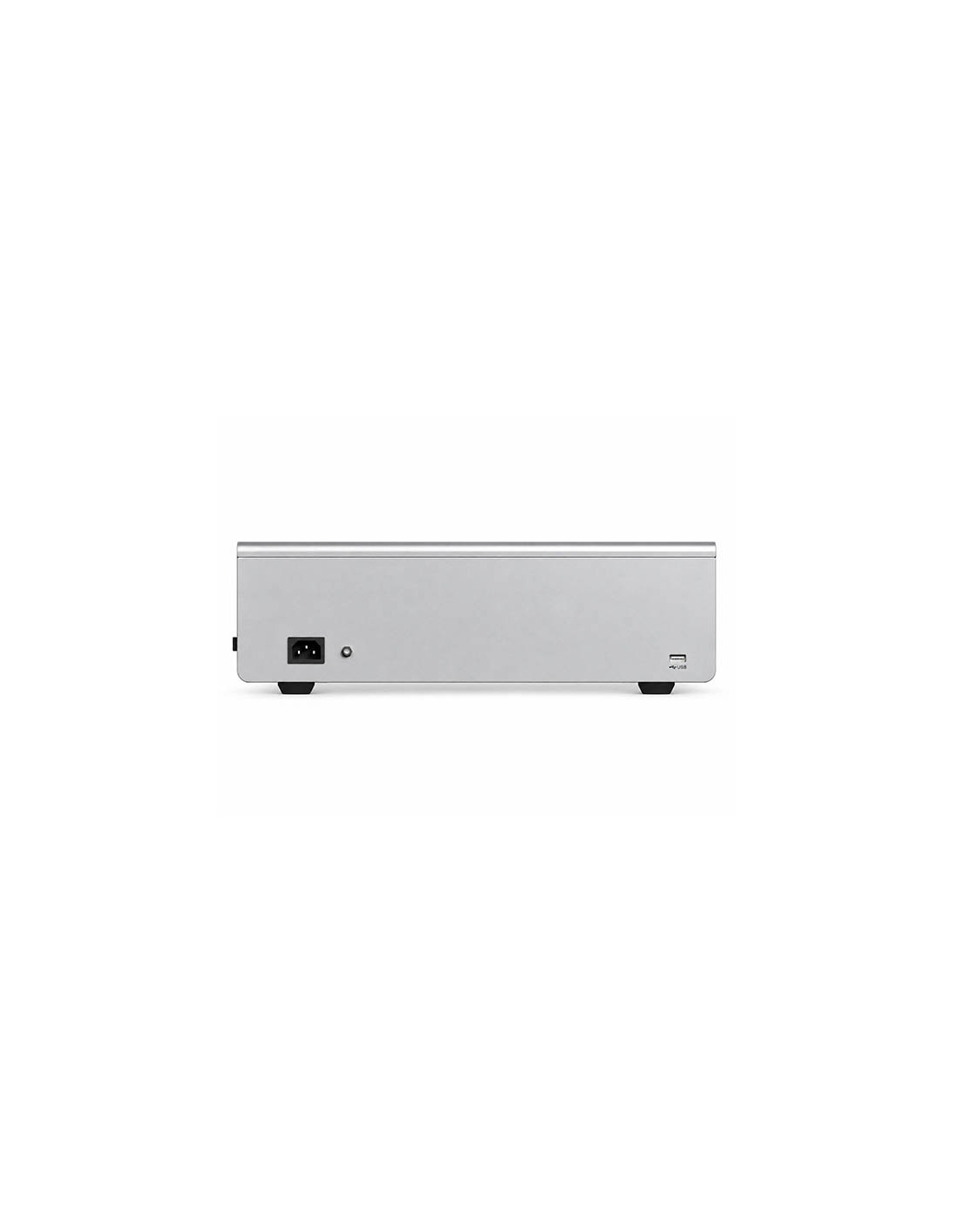
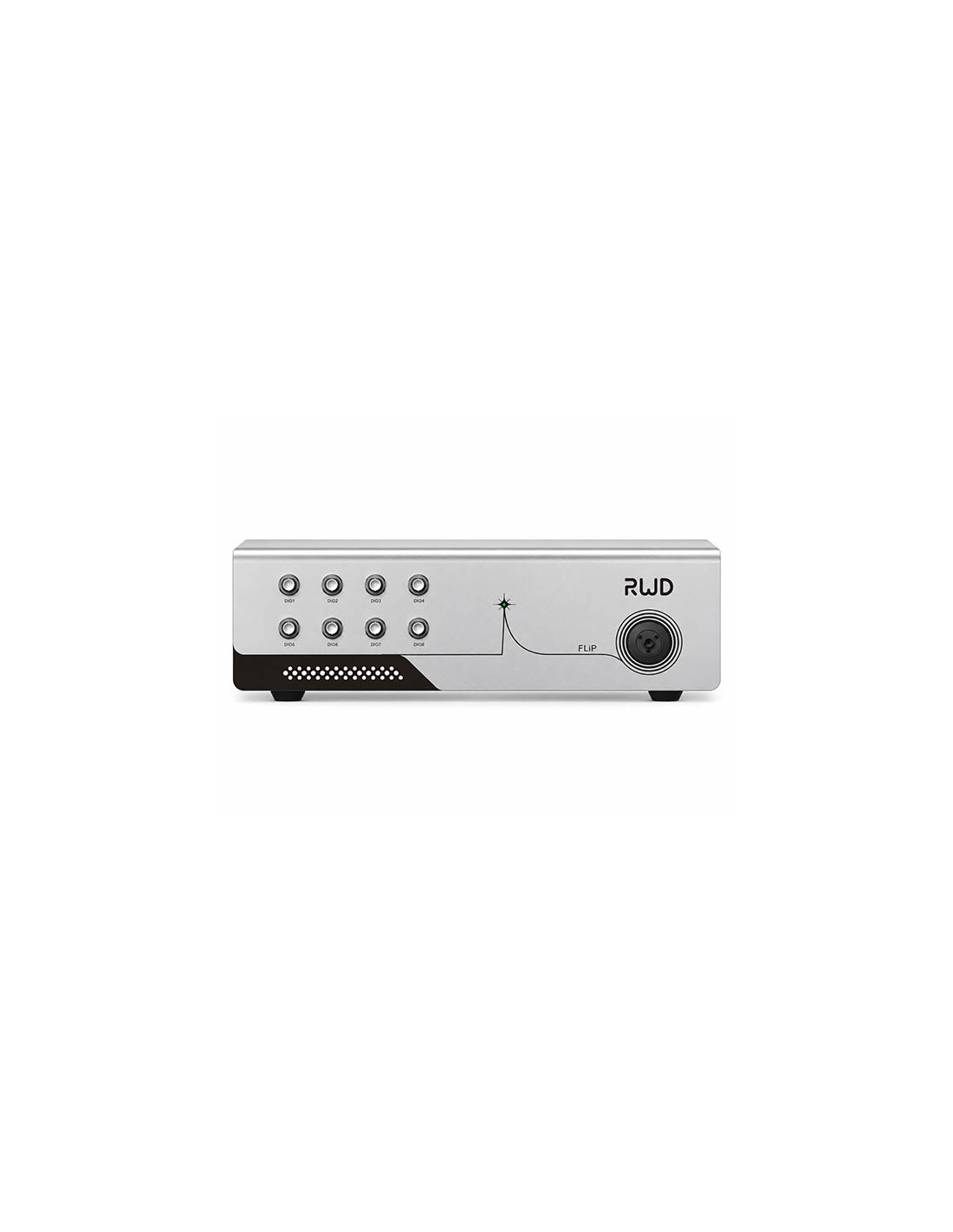
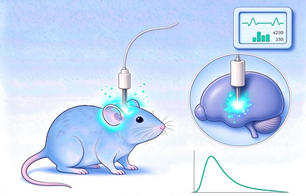
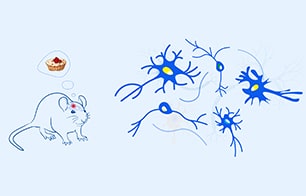
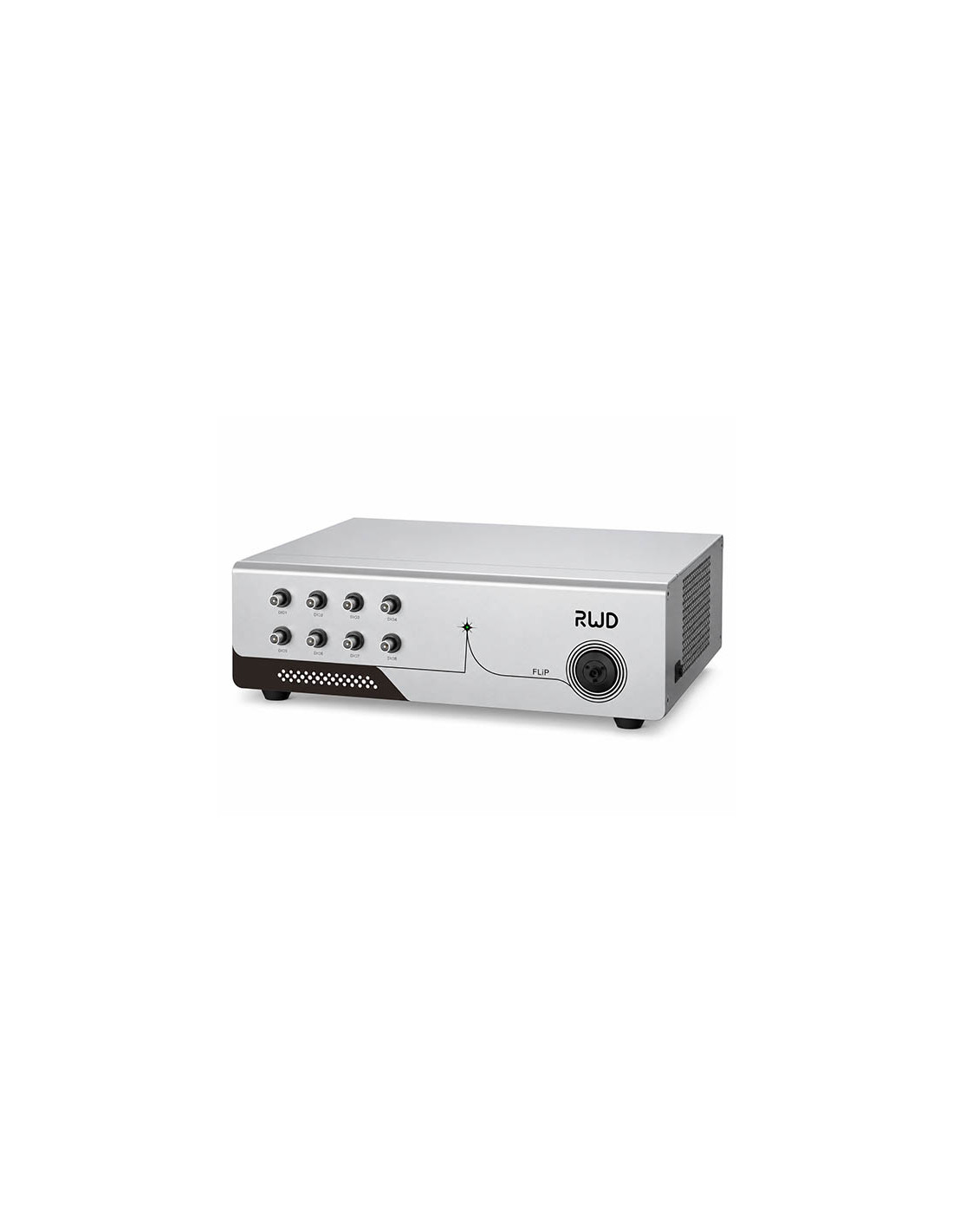
The RWD Fluorescence Lifetime Photometry System (FLiP) combines Time-Correlated Single Photon Counting (TCSPC) technology with fiber photometry to monitor fluorescence lifetime changes in the brains of freely moving animals in real time. This advanced system provides stable, quantitative measurements for in vivo studies of neurotransmitter release, protein-protein interactions, and protein conformational changes, offering significant advantages over conventional fluorescence intensity-based methods.


Art. no Description Price
R880-Y Single-color Fluorescence Lifetime Photometry Sign in
 

Unlike conventional fluorescence intensity measurements, FLiP provides a more robust approach to monitoring molecular and neuronal activity. Its reduced sensitivity to variations in probe expression, photobleaching, and motion artifacts enables more reliable measurements across experimental conditions, individual animals, and recording sessions.

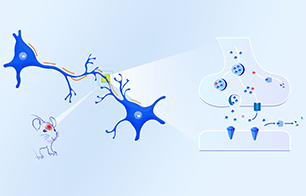
Specially engineered fluorescence lifetime probes exhibit distinct lifetime signatures depending on their bound or unbound states, allowing researchers to investigate neurophysiological processes in specific neuronal populations and gain deeper insights into the relationship between neural activity and behavior.

Key Features

  • High-Precision TCSPC Technology
    Accurate fluorescence lifetime measurements with a detection range of 1–10 ns.

  • Stable Long-Term Recording
    Minimal baseline drift supports reliable longitudinal studies and comparisons across recording sessions.

  • Low-Noise Detection
    High sensitivity enables reliable measurements even under low fluorescence signal conditions.

  • Quantitative Measurements
    Fluorescence lifetime recordings reduce the influence of probe expression levels, photobleaching, and motion artifacts compared with intensity-based measurements.

  • Broad Biosensor Compatibility
    Supports a wide range of fluorescence lifetime biosensors for different neuroscience applications.

Fluorescence Lifetime Photometry System Applications

Calcium or Neurotransmitter Signal Detection

Compatible with calcium and neurotransmitter signal detection, including mainstream probes such as jGCaMP and dLight3.8, and next-generation fluorescence lifetime probes in development.

Neural Circuit Research

Applicable to reward, punishment, emotion, and social behavior paradigms, including long-term recordings such as sleep studies, with signals unaffected by photobleaching.

Investigation of Pathological Mechanisms of Neurological Disorders

Enables stable cross-sample comparisons independent of probe expression, facilitating direct comparisons between disease models and normal controls.

Development of Novel Fluorescent Probes

Supports fluorescence lifetime probe development and validation, including probe screening, characterization, and methodology establishment.

In Vivo Quantification of Signaling Molecules in the Brain

Enables quantitative analysis of fluorescence lifetime changes, supporting more reliable comparisons of signaling molecule dynamics across experimental conditions and individual animals.

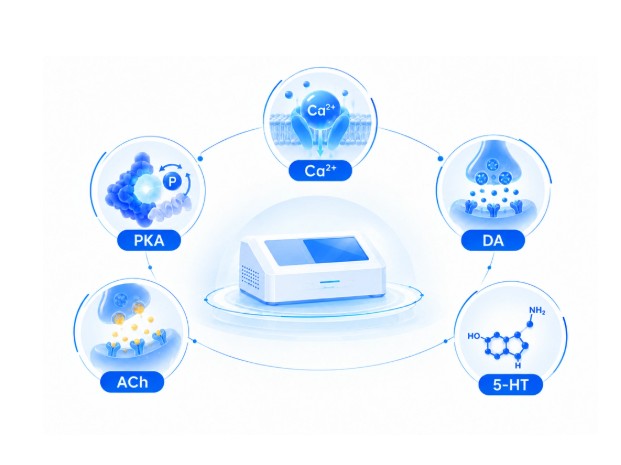
Broad Biosensor Compatibility

Supports the fluorescence lifetime design range of mainstream biosensors, enabling diverse detection applications with a single system.

  • Calcium ions (Ca²⁺)

  • Dopamine (DA)

  • Serotonin (5-HT)

  • Acetylcholine (ACh)

  • Protein Kinase A (PKA)

Excitation Wavelength Options
488, 515, 560, 640, 670 nm (customizable)
Pulse Frequency
1-80 MHz
Lifetime Range
1-10 ns
Sampling Rate
1-50 Hz
DIO Count
8
Voltage Level
3.3-5 V
Optical Fiber Core Diameter
200 or 400 µm
Optical Fiber Numerical Aperture
0.37

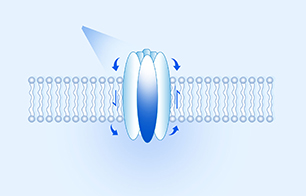
Fluorescence lifetime (τ) is the average time a fluorophore remains in its excited state before returning to the ground state through fluorescence emission. Unlike fluorescence intensity, fluorescence lifetime is largely independent of fluorophore concentration and excitation intensity under typical measurement conditions. Instead, it can reflect changes in molecular conformation and the local microenvironment.

By distinguishing between fluorescence components with different lifetimes, this technique enables the detection of subtle molecular changes and provides a stable, quantitative readout for in vivo studies.
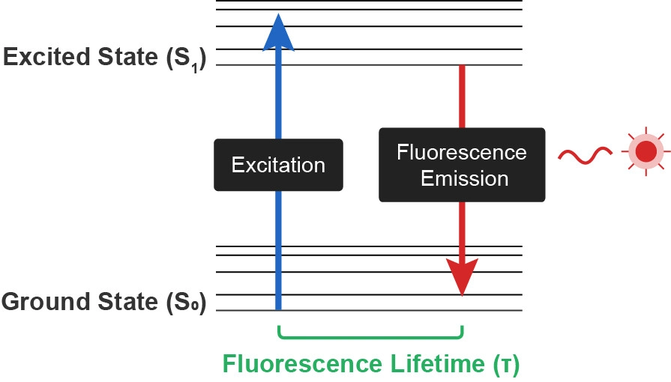
Principle of Fluorescence Lifetime. Fluorescence lifetime (τ) is the average time a fluorophore remains in its excited state before returning to the ground state through fluorescence emission.
Product added to compare.